Pick the wrong nicotine strength and even a great device disappoints: too low and the craving never settles; too high and every puff is harsh, headachy and unpleasant. Strength is the most personal setting in vaping, and beginners are usually given a random bottle rather than a method. This guide explains how to choose nicotine strength based on your habits and your device, so the first bottle you buy is the right one.

What the Numbers Mean
E-liquid strength is measured in milligrams per millilitre (mg/ml), sometimes written as a percentage — 6 mg equals 0.6%. The common freebase range runs 0, 3, 6, 12 and 18 mg; nicotine salts commonly come in 20 mg and higher (subject to local limits — many regions cap strengths at 20 mg). The number alone does not tell the whole story, because how much nicotine you absorb also depends on your device’s power and how much vapour it produces per puff. A low strength in a high-power device can deliver more nicotine than a high strength in a small pod.
Match Strength to Your Smoking History
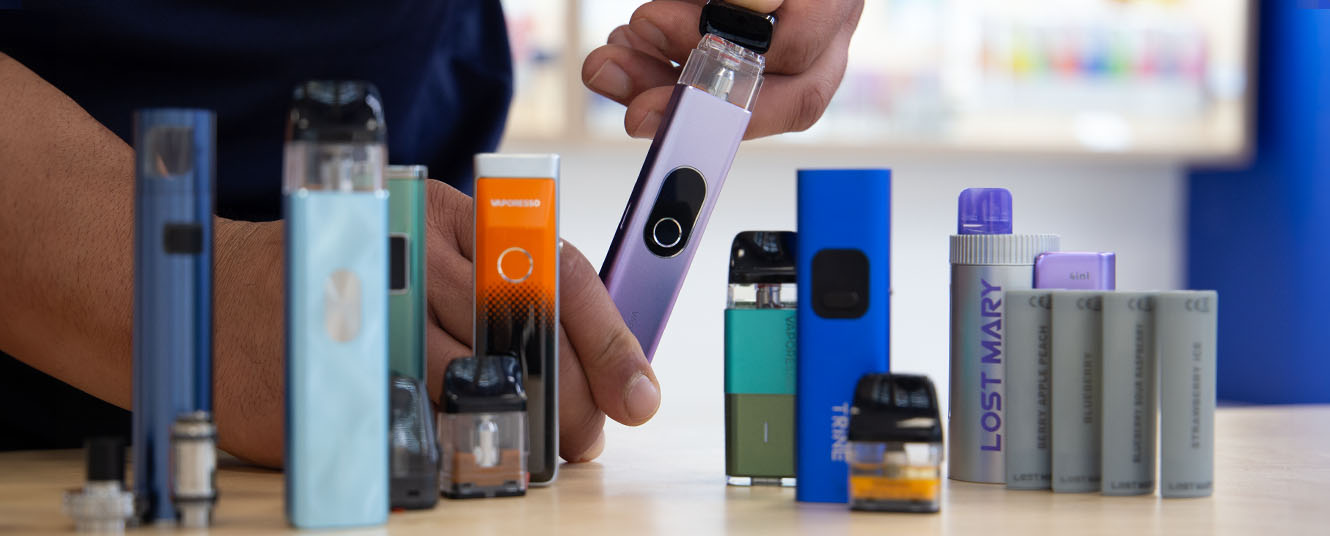
The standard starting point is your previous cigarette use, adjusted for device type. Light smokers (a few cigarettes a day) using a small pod typically settle around 10–20 mg salts, or 6 mg freebase in a modest device. Pack-a-day smokers usually need the higher end — 20 mg salts in a pod, or 12 mg freebase in a low-power kit — at first. Heavy smokers in high-power, direct-lung devices often prefer just 3–6 mg freebase, because the sheer vapour volume delivers plenty. Treat these as starting points to adjust within the first week, not rules; the right strength is the one that satisfies without side effects. Flavour choice matters at this stage too — our roundup of the best vape flavours for beginners helps you find a taste you will actually stick with while you dial the strength in.
Freebase vs Nicotine Salts
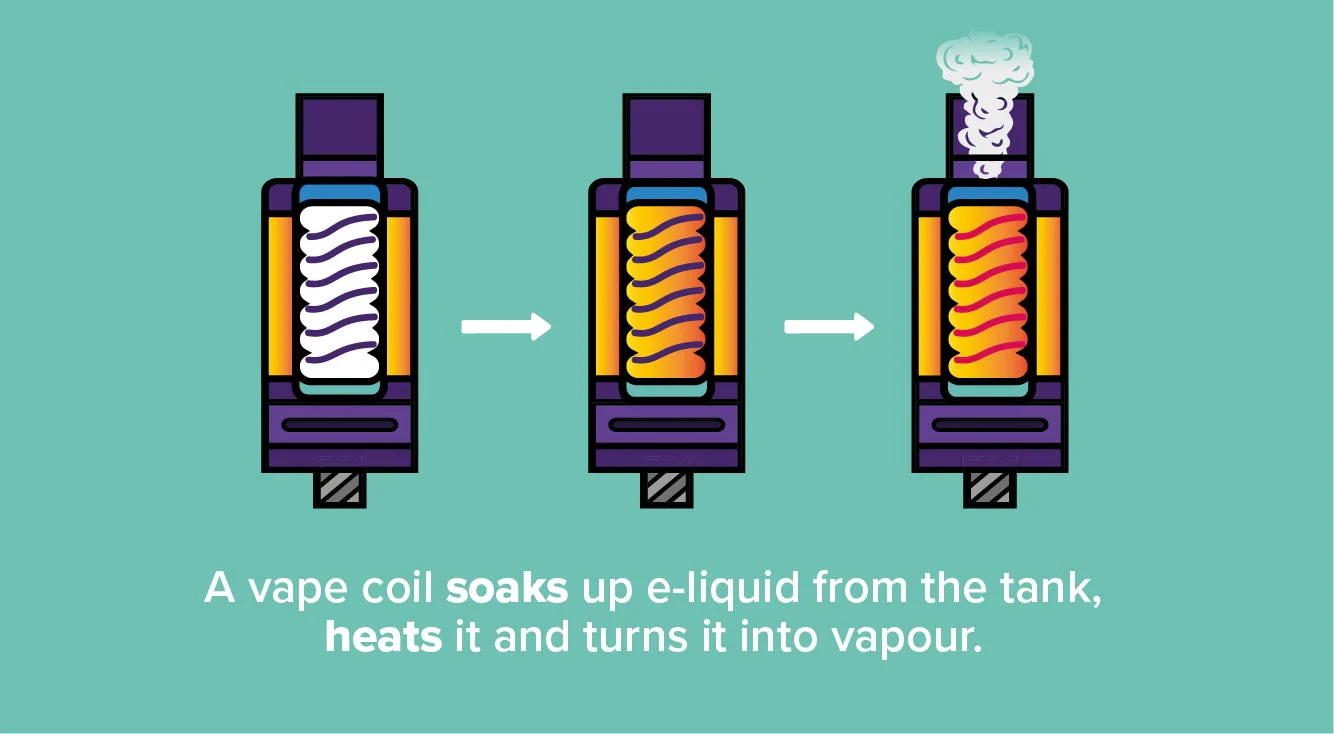
Freebase nicotine is the traditional form: it gives a noticeable throat hit that increases with strength, which many ex-smokers want at lower strengths — and find harsh at higher ones. Nicotine salts are chemically smoother, so high strengths stay comfortable to inhale, and they are absorbed quickly, closer to a cigarette’s profile. That makes salts the usual choice for small pods and recent switchers, and freebase the usual choice for larger devices and lower strengths. Neither is “better”; they serve different devices and different needs. Whichever you choose, keep your hardware cared for — a fresh, properly set-up coil (see our coil priming guide) makes any strength taste as it should.
Throat Hit: The Other Half of Satisfaction
Beginners often blame strength for a vape that feels unsatisfying when the real missing piece is throat hit — the light catch at the back of the throat that makes a puff feel like something happened. Nicotine contributes to it, but so do other factors: freebase nicotine hits harder than salts at the same strength, higher-PG liquids carry more hit than high-VG ones, and menthol or ice flavours add a sensation of impact without extra nicotine. This is why some people happily drop strength once they find the right combination — the satisfaction they were chasing was partly physical sensation, not nicotine dose. When adjusting, change one variable at a time: if a lower strength feels empty, try a higher-PG version or a cooler flavour of the same liquid before concluding you need more nicotine. Fine-tuning the sensation is cheaper, gentler and usually more effective than simply climbing the mg ladder.
Signs Your Strength Is Wrong
Too little nicotine shows up as constant vaping without satisfaction, reaching for the device every few minutes, or cravings that break through — often alongside a fading interest in vaping altogether, because it “doesn’t work.” Too much shows up physically: headaches, nausea, dizziness, a racing feeling, or hiccups during use. Those are signals to stop, rest, and drop a level next bottle. Adjust in single steps rather than jumping wildly, and give each level at least a couple of days; your habits (puff frequency, depth) adapt alongside the chemistry, and day-one impressions can mislead.
Stepping Down Over Time
Many vapers reduce strength gradually once they have fully switched: from 20 mg to 10, then to 6 or 3 in freebase if they move to a bigger device, sometimes eventually to zero. There is no required schedule — some people step down monthly, others stay at their working strength for a year first. The sensible rule is stability before reduction: only step down once the current level feels completely routine, and step back up without drama if a reduction leaves you struggling. The goal is a sustainable habit you control, not a race.
Safety and Storage Basics
Nicotine liquid demands basic respect. Buy from reputable sellers so what is on the label is what is in the bottle, keep bottles sealed, cool and out of sunlight, and store them locked away from children and pets — e-liquid is genuinely hazardous if swallowed, especially at high strengths. Never transfer liquid into drink bottles or unlabelled containers. And respect local regulations: strengths, bottle sizes and even flavours are restricted differently by country, and travellers should check destination rules before packing.
Knowing how to choose nicotine strength comes down to three matches: your past habit, your device’s power, and the form of nicotine that suits both. Start at the sensible level for your profile, adjust by how you actually feel over a few days, and change one step at a time. Get the strength right and everything else about switching becomes much easier.