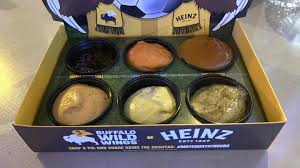

Sport is rarely just about the game. Long before kickoff, people are already building a mood around it. Someone orders wings. Someone else brings fries, pizza, or cold drinks. A friend asks who is paying for what, and another person says they will sort the bill later. Then the talk starts. One person likes the home team. Another thinks the match will stay tight. A small wager enters the room, not as the whole point of the day, but as one more piece of the shared ritual. That is what makes matchday food and small bets sit so close together. They both turn a game into an event people can feel together.
Matchday food starts before the whistle
Food does a quiet job on matchday. It gives people something to do with their hands while the mind waits for the game. It also softens the room. A table with wings, sauces, and paper napkins feels different from a silent room with only screens. The game may still matter most, but the food makes the wait easier and the company warmer.
This is one reason sports gatherings feel fuller than the match alone. A basket of wings or a shared plate of chips tells people they are part of something together. It slows the day down just enough to make the coming action feel bigger. By the time the first whistle sounds, the room already has its own shape.
Small wagers make the table feel shared
A small wager can work in much the same way. For many adults, it sits inside sustainable entertainment. It is not there to take over the day. It is there to add a little edge to what is already a social moment. A person may back one team, another may take the draw, and now the meal has one more layer of talk.
The important thing is that the wager stays small enough to fit the mood of the room. When that happens, it does not crowd out the food or the friendship. It simply gives the match a touch more life.
Split bills and shared picks
There is something very human about the small math of matchday. One friend pays for the wings. Another covers drinks. Someone says they will send their part later. In the middle of that, the betting talk starts too. People compare odds, tease each other about bad picks, and pretend to sound more certain than they really feel.
That shared mood is what makes the ritual stick. A person may scroll past nationalcasino.com or glance at some odds on a phone, but the heart of the day is still the group around the table. The screen is there, yet the real centre is the mix of food, noise, and small bits of risk that friends carry together. A split bill and a split opinion can both turn into part of the same story before halftime even arrives.
Food keeps the mood steady
Food also helps the room stay balanced. A tight match can raise voices quickly. A late goal can swing the whole feeling of the day. Yet when people are eating, passing plates, and laughing over spilled sauce, the mood has somewhere softer to land. The ritual feels grounded.
That matters because gambling talk can get louder than the game if nobody checks it. Food pulls attention back to the table. It reminds people that the day is still social, still shared, and still bigger than one result.
The ritual matters more than the result
A matchday gathering is remembered for more than the final score. People remember the plate that emptied too fast, the friend who ordered too much, the person who swore their pick was certain, and the late moment that made everyone shout at once. The wager may be part of the memory, but it is rarely the whole thing.
That is why these rituals matter. They show that sport, food, and small wagers often work best when they stay in balance. The game gives the room its pulse. The food gives it warmth. The wager gives it one more spark. None of them need to carry the whole day alone.
A good matchday leaves more than one memory
The best matchdays do not end with people thinking only about money won or lost. They end with sticky fingers, half empty plates, and the kind of tired smile that comes after a shared afternoon. That is the real charm of matchday wings, split bills, and small wagers. They make the game feel less like something watched from a distance and more like something lived together, one bite and one shout at a time.