Walk into any vape shop and you will face a wall of devices that all promise great flavour and thick clouds, yet they differ hugely in size, price, power and how much effort they demand. Picking the wrong one is the most common reason new vapers give up and go back to cigarettes. This vape device guide breaks the market down into the main device types, explains who each one suits, and covers the practical details — battery life, running costs and safety — that shop assistants sometimes skip.
The Three Main Types of Device
Almost every device on sale is a pod system, a vape pen or a mod kit. Pod systems are small, light devices that use snap-in pods, either prefilled or refillable. They are discreet, simple and designed mainly for mouth-to-lung vaping that feels close to smoking, which makes them the default starting point in most vape device guide recommendations for beginners.
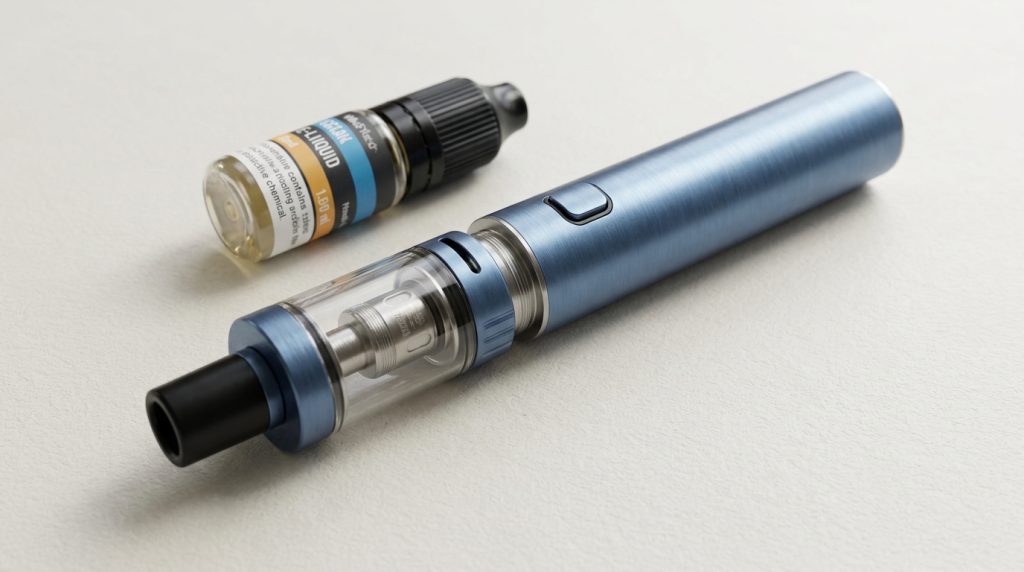
Vape pens are slim tube or stick devices with a refillable tank. They offer a little more battery and liquid capacity than pods while staying simple: most have a single button or work by draw activation. Mod kits are the largest category, with box-shaped batteries, separate tanks and adjustable wattage. They produce bigger clouds and suit hobbyists, but they need more knowledge to run well and cost more to maintain.
Battery Life and Charging
Battery capacity, measured in milliamp hours (mAh), decides how long you can vape between charges. A small pod at 400–600 mAh may need a midday top-up for a heavy user, while a mod with 3000 mAh or swappable batteries lasts a day or more. Think honestly about your routine: if you are away from a charger for long shifts, battery size matters more than almost anything else.
Most modern devices charge by USB-C and many support fast charging. Built-in batteries are convenient and safer for beginners; removable batteries offer flexibility but demand respect — only buy quality cells from reputable sellers, use a proper external charger, and never carry loose batteries in a pocket with keys or coins.
E-Liquid, Coils and Running Costs
The device is a one-off purchase, but coils and e-liquid are the real ongoing cost. Coils are the heating elements inside pods and tanks; they burn out after one to three weeks depending on use and the sweetness of your liquid. Before buying any device, check the price and availability of its coils or replacement pods — a cheap device with expensive, hard-to-find coils is no bargain.
Also match the device to the liquid. High-power mods need thicker, high-VG liquid and low nicotine strengths, because they produce so much vapour. Pod systems shine with thinner liquids and nicotine salts at higher strengths, which satisfy cravings with small puffs. Getting this pairing right is the difference between a device you enjoy and one that leaks, tastes harsh or leaves you unsatisfied.
Screens, Settings and Ease of Use
More features are not always better. Adjustable wattage, airflow control and puff counters are genuinely useful once you know your preferences, but for a first device, a clear display and simple controls matter more. If a device has a screen, test how readable it is in bright light and whether the menu makes sense to you; the same readability mistakes discussed in our article on screen readability mistakes to avoid for new users apply to device displays just as much as to websites: tiny low-contrast text frustrates everyone.
Buy From Sellers You Can Verify
Counterfeit devices and coils are common, and fakes can be unsafe as well as disappointing. Buy from established retailers, check the authenticity code on the packaging and register the device where the brand offers it. When shopping online, spend two minutes checking who actually runs the store — the habit described in our guide to understanding a site through checking website ownership works for any online purchase. Be equally wary of lookalike shops and cloned product pages; our article on avoiding misleading pages shows the warning signs of sites designed to imitate legitimate ones.
Mouth-to-Lung or Direct-to-Lung?
One distinction in every serious vape device guide matters more than brand names: how the device is meant to be inhaled. Mouth-to-lung (MTL) vaping mimics smoking — you draw vapour into your mouth first, then inhale — and uses higher-resistance coils, less power and less liquid. It suits pods and pens, is discreet, and satisfies most people trying to replace cigarettes. Direct-to-lung (DTL) vaping breathes vapour straight into the lungs, uses low-resistance coils at higher power, and produces the large clouds associated with mod kits. It also uses far more liquid and battery. Neither is better; they are different experiences, and buying a DTL kit when you wanted a cigarette-like draw is a classic beginner mistake.
Build Quality, Warranty and Spare Parts
Two devices with identical specifications can age very differently. Check how the pod or tank attaches — magnetic connections are convenient but should feel firm, not wobbly — and whether buttons feel solid. Read the warranty terms before you buy: reputable brands offer at least six months on the device body, and shops that handle warranty claims on your behalf save real hassle.
Also confirm that spare parts will exist in a year. Seals, glass tubes, pods and coils for a discontinued device become expensive or impossible to find, turning a working device into waste. Devices from ranges that a brand has supported for several years are a safer bet than this month’s limited edition. Finally, consider weight and shape in the hand if you can visit a shop: the device you will actually carry every day is the one that feels comfortable in your pocket and your grip, not the one with the longest feature list.
Conclusion
The right device is the one that fits your habits, budget and confidence level. Most beginners do best with a good refillable pod system, move to a pen or small mod if they want more vapour and control, and only need a large mod kit if vaping becomes a hobby. Use this vape device guide to check battery life, coil costs and liquid compatibility before you buy, purchase from sellers you can verify, and your first device stands a far better chance of being the one that finally sticks.