Every vape device is powered by a lithium battery, and lithium batteries deserve respect. They store a lot of energy in a small space, which is exactly what makes them useful — and exactly why damaged or mistreated cells can overheat, vent or even catch fire. The reassuring truth is that vape battery safety is simple. Almost every battery incident traces back to one of a handful of avoidable mistakes: damaged wraps, loose batteries in pockets, wrong chargers, or pushing a cell beyond its limits. Learn the rules below and they become second nature.
Know What Battery You Are Using
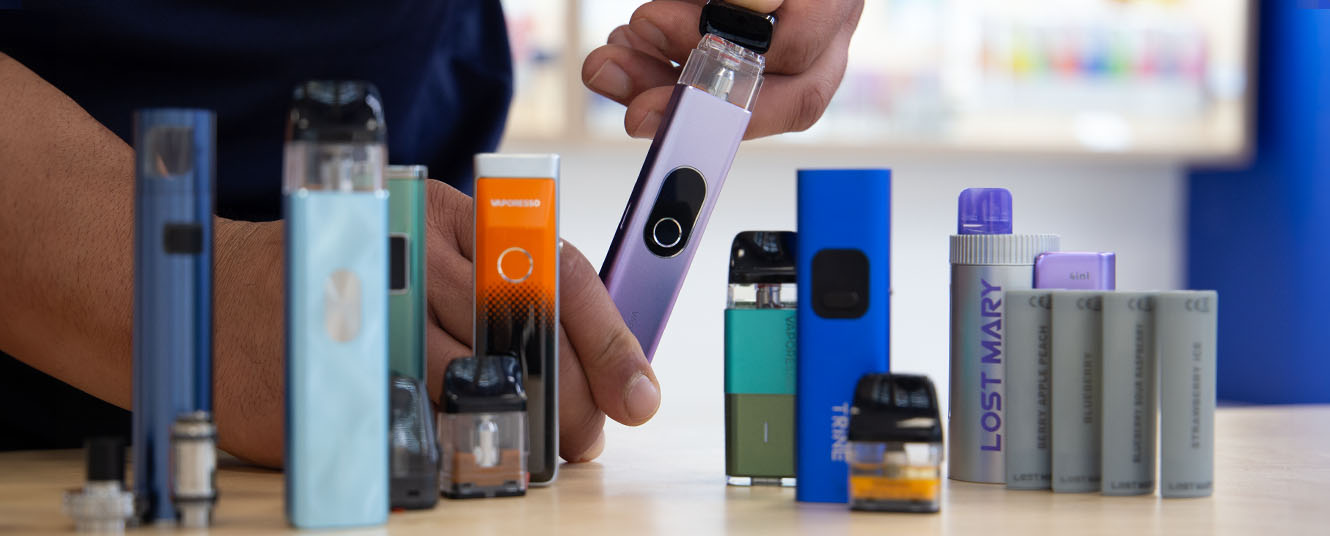
Safety starts with knowing your cells. Most removable-battery devices use 18650, 20700 or 21700 lithium-ion batteries. Buy them only from reputable sellers and known brands — counterfeit cells with inflated ratings are common and genuinely dangerous. Every battery has a maximum continuous discharge rating measured in amps; your device and coil combination must never demand more than the cell can safely give. If you do not know a battery’s rating, do not use it in a high-power device. When in doubt, choose the cell with the honest, conservative rating from a brand you recognise.
Inspect the Wrap Before Every Use
The coloured plastic wrap around a battery is not decoration — it is insulation, and the metal can beneath it is one giant negative terminal. A torn or nicked wrap can let the cell short-circuit against the inside of a device or loose metal in a pocket. Check your batteries regularly under good light. If a wrap is torn, peeling or dented, stop using that cell until it is re-wrapped; vape shops re-wrap batteries cheaply, and wrap kits cost very little. Never use a battery that is dented, swollen, leaking or unusually warm at rest.
Never Carry Loose Batteries in a Pocket or Bag
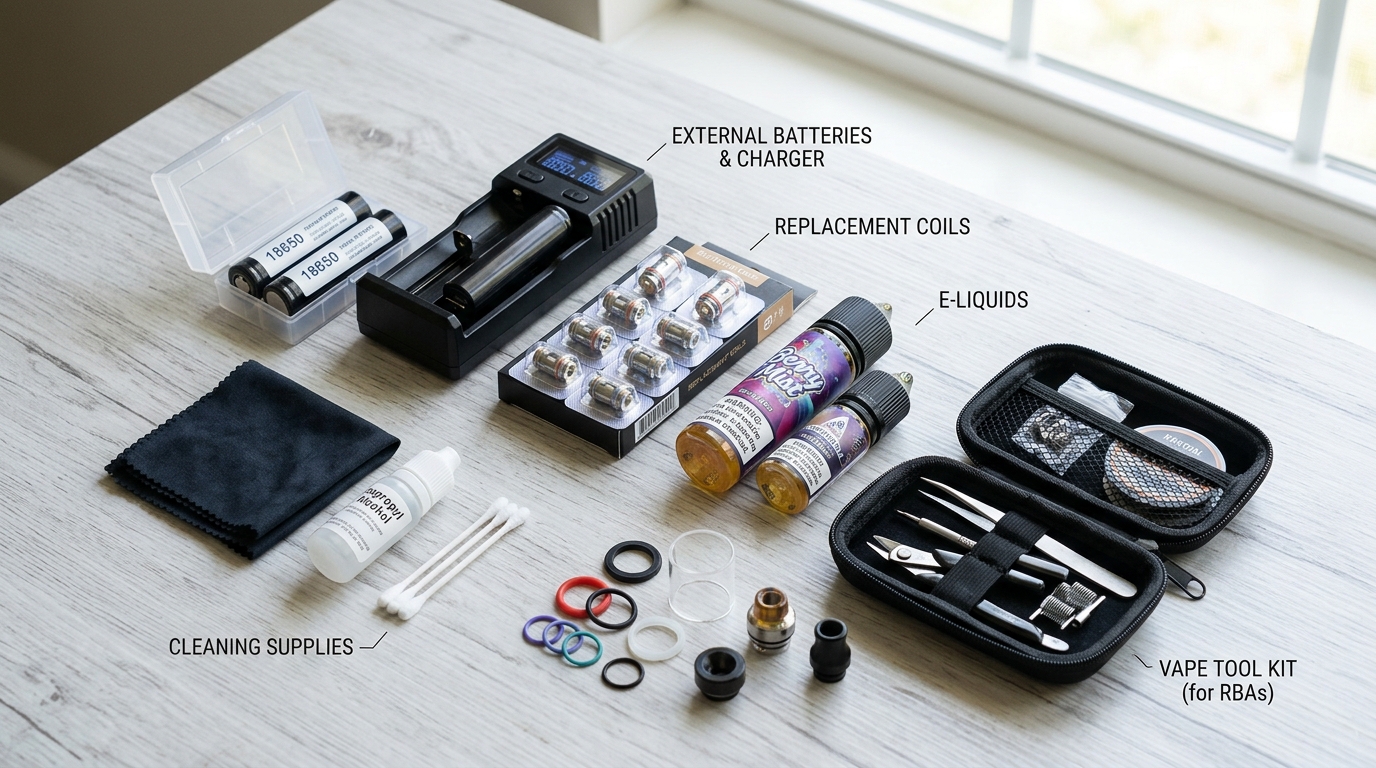
This single rule prevents most pocket fires. A loose battery rolling against keys, coins or another battery can complete a circuit and vent violently. Always carry spare cells in a plastic battery case — they cost almost nothing and are included free with many purchases. The same discipline applies at home: store batteries in cases, away from metal objects, heat sources and direct sunlight, and keep them somewhere dry at normal room temperature.
Charge the Right Way
How you charge matters as much as how you vape. A quality external charger is the safest option for removable cells: it charges each battery evenly, stops at the correct voltage, and lets you retire the device’s USB port for emergencies. If you do charge inside the device, use the cable and power source the manufacturer recommends, charge on a hard, non-flammable surface, and never leave charging batteries completely unattended or charging overnight while you sleep. A battery that becomes hot while charging is telling you something is wrong — stop and replace it.
Match Batteries and Marry Pairs
Devices that use two or more batteries need extra care. Cells in a multi-battery device should be the same brand, model and age, bought together and always used and charged together — vapers call this “marrying” the pair. Married cells wear evenly, so one weak cell never gets dragged down by stronger partners. Label pairs so they never get mixed with other batteries, and retire the pair together when their performance fades. Good device care goes hand in hand with coil care, as our guide on how to prime a vape coil explains from the atomiser side.
Respect Heat, Cold and Water
Batteries dislike extremes. A device left on a hot car dashboard in summer can push its cells into dangerous territory, and charging a frozen battery after a winter night outdoors stresses it in the opposite direction. Keep devices and spare cells at comfortable room temperatures whenever you can. Water is the third enemy: a battery that has been soaked, or a device dropped in water, should be dried thoroughly and inspected before use — and if the cell itself got wet inside its wrap, replace it. Caution costs a few pounds; a failure costs far more.
Know the Warning Signs and Retire Old Cells
Batteries age. After a few hundred charge cycles, run time shrinks and internal resistance rises, which makes cells run hotter under the same load. Retire batteries that no longer hold a useful charge, that get noticeably warm during normal use, or that your charger flags with errors. When you retire a cell, recycle it through a battery recycling point — never throw lithium batteries in household rubbish. Replacing a tired battery early is one of the cheapest safety upgrades in all of vaping.
Buy Devices With Built-In Protections
Modern regulated devices include protections that mechanical devices lack: short-circuit protection, low-voltage cut-off, overcharge protection and temperature monitoring. For most vapers, especially beginners, a regulated device from a reputable brand is the sensible choice, because its chip quietly enforces many of the rules in this guide. Whatever you use, buy from sellers who stock genuine products and can tell you exactly which batteries a device needs — that conversation alone prevents most mismatches.
Travelling With Spare Batteries
Airlines have strict rules about lithium batteries, and they exist for good reason. Spare cells must travel in your hand luggage, never in checked bags, and each one must be protected from short circuits — in its case, with terminal caps, or in its original packaging. Devices should be switched off, and many airlines limit how many spares you may carry. Check your airline’s rules before you fly, keep batteries accessible for security screening, and never charge a device during the flight. A minute of preparation keeps travel smooth and your batteries legal and safe.
The Bottom Line
Vape battery safety comes down to a short list of habits: buy genuine cells, keep wraps perfect, carry spares in cases, charge carefully, marry pairs, avoid temperature extremes, and retire tired batteries early. None of it is difficult, and all of it quickly becomes automatic. Treat your batteries with the same care you give the device itself, and they will power your vaping safely for their whole working life.